Advances in low- and no-power sensing, communication and interaction technologies offer new possibilities for blending digital innovation with our physical environment.
From gesture recognition that allows people to interact with objects in new ways, to low-power sensors that collect and transmit data about temperature, air quality, urban accessibility and more, our researchers are tapping into the potential of computation to transform how we experience the world around us.
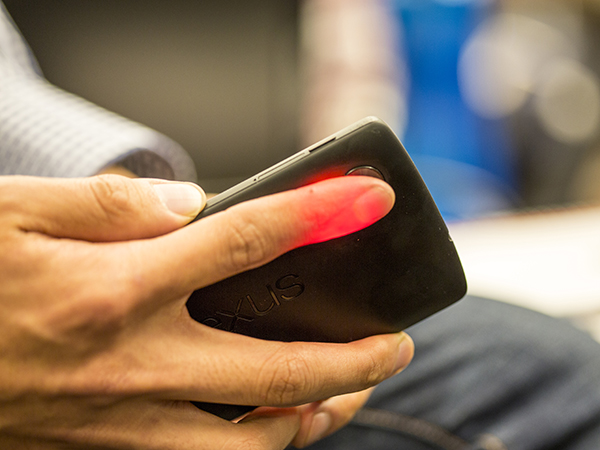
The Ubiquitous Computing (UbiComp) Lab develops innovative systems for health sensing, low-power sensing, energy sensing, activity recognition and novel user interface technology for real-world applications.
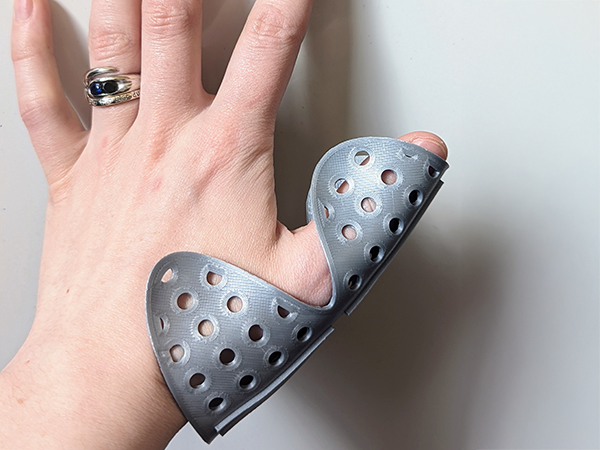
Make4all Group creates solutions that empower people with disabilities to accomplish their goals, applying technologies such as 3D printing, knitting and other fabrication technologies to improve inclusion in and accessibility of our digital future.
The mission of the UW Center for Research and Education on Accessible Technology and Experiences (CREATE) is to make technology accessible and the world accessible through technology. By bringing together researchers from across the campus, CREATE harnesses the diverse expertise necessary to realize a more just and equitable technological future, one that overcomes existing barriers and ensures new ones do not arise.
The Transportation Data Equity Initiative (TDEI) aims to enhance the quality and accessibility of travel services by building open source data collection and vetting tools, transportation data digital infrastructure, and governance frameworks that enable public-private data sharing and interoperability. The TDEI is a project sponsored by The Complete Trip, an ITS4US Deployment Program.
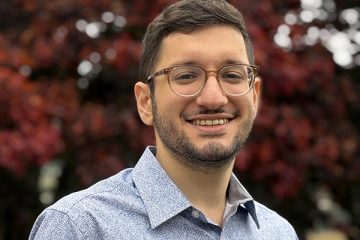
Itani, who works with Allen School professor Shyam Gollakota in the Mobile Intelligence Lab, was recognized for exceptional early-career research advancing AI systems for “superhuman” hearing.
A technology known as semantic hearing developed in Allen School professor Shyam Gollakota’s lab could let users create acoustic bubbles, isolate chosen voices, and control individual sounds in their environment.
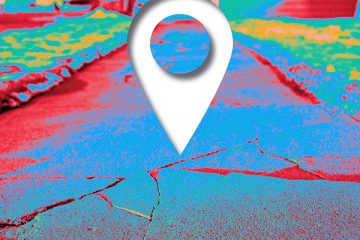
Allen School professor Jon Froehlich talks about how Project Sidewalk empowers communities by crowdsourcing data on pedestrian infrastructure, from curb ramps to broken pavement, to improve accessibility.